Most people know that diabetes can affect the heart, kidneys, and eyes. However, many are surprised to learn that diabetes and gum disease are closely connected.
In fact, people with diabetes are at a higher risk of developing gum disease, and severe gum disease can make it more difficult to control blood sugar levels.
This creates a two-way relationship where each condition can influence the other.
If you have diabetes and are experiencing bleeding gums, bad breath, gum swelling, or loose teeth, it's important to understand how your oral health may be affecting your overall health.
🦷 What Is Gum Disease?
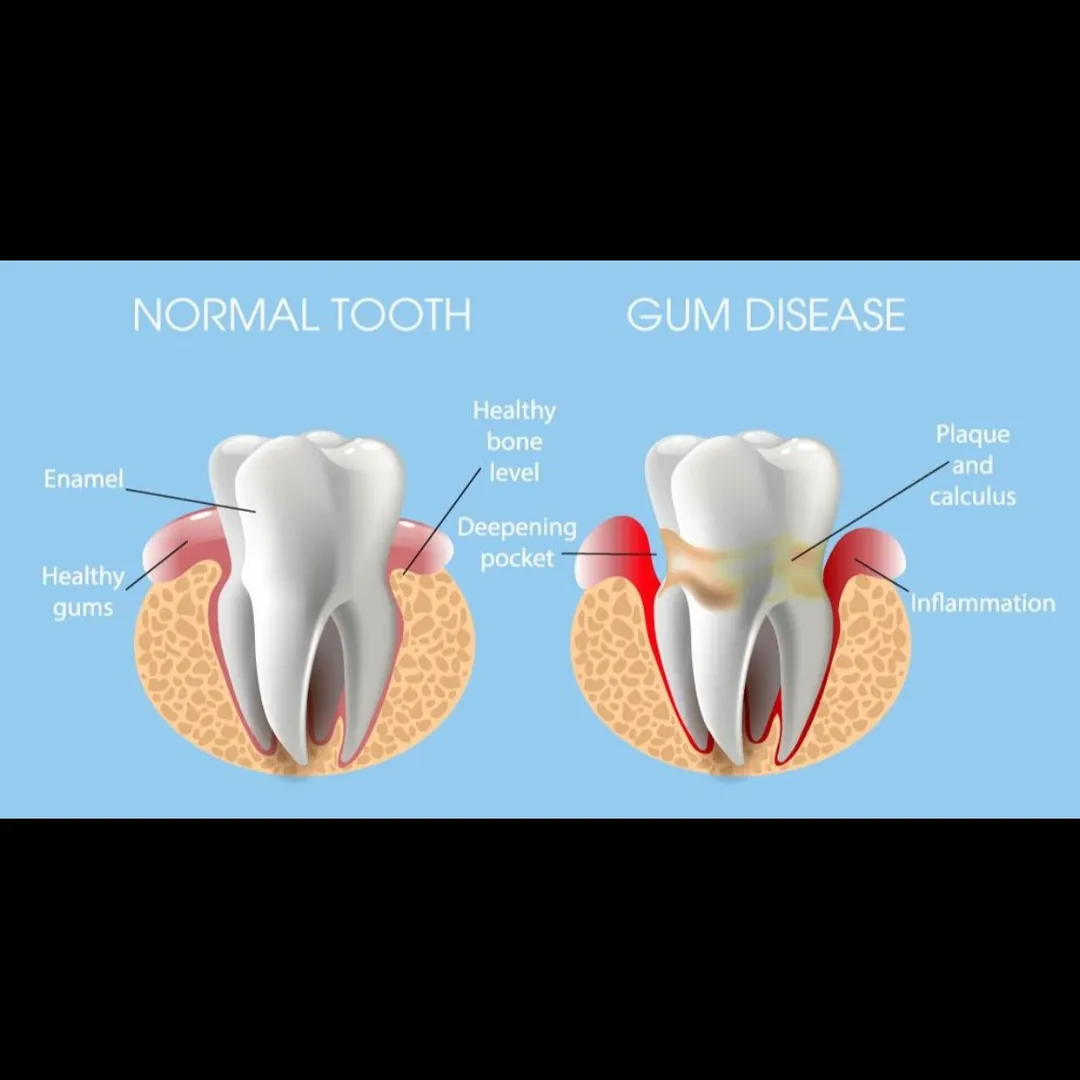
Gum disease is an infection and inflammation of the tissues supporting your teeth.
It usually starts as gingivitis, which may cause:
- 🩸 Bleeding gums
- 🔴 Red or swollen gums
- 😮💨 Bad breath
- Gum tenderness
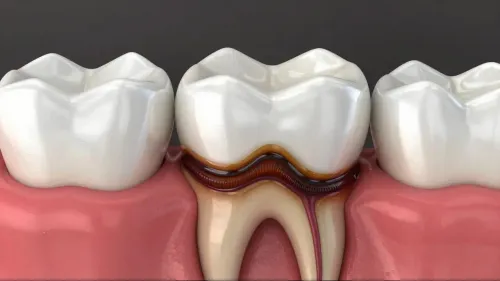
If left untreated, it can progress to periodontitis, where the infection begins to damage the bone supporting the teeth.
Advanced gum disease can lead to:
- Gum recession
- Loose teeth
- Bone loss
- Tooth loss
🍬 How Does Diabetes Affect Your Gums?
People with diabetes are generally more susceptible to infections, including gum infections.
High blood sugar levels can:
✔ Increase inflammation
✔ Reduce the body's ability to fight bacteria
✔ Slow healing
✔ Increase the risk of gum infection
✔ Increase the risk of bone loss around teeth
As a result, gum disease tends to be more common and may progress more rapidly in patients with poorly controlled diabetes.
🔄 The Two-Way Relationship
Many patients don't realize that the relationship works both ways.
Diabetes Can Worsen Gum Disease
When blood sugar levels remain elevated:
- Gum infections may become more severe
- Healing may be slower
- Inflammation may increase
Gum Disease Can Affect Blood Sugar Control
Chronic inflammation from periodontal disease may make it harder for the body to regulate blood glucose effectively.
Research suggests that severe gum disease can contribute to poorer glycemic control in some patients.
This is why dentists and physicians often encourage diabetic patients to maintain excellent oral health.
🚨 Warning Signs of Gum Disease in Diabetic Patients
Watch for:
🩸 Bleeding while brushing
🔴 Swollen gums
😮💨 Persistent bad breath
🦷 Loose teeth
🦷 Spaces developing between teeth
🦠 Pus around the gums
🦷 Receding gums
😣 Pain while chewing
If you notice any of these symptoms, a dental evaluation is recommended.
🩺 How Is Gum Disease Diagnosed?
Your dentist may perform:
- Gum examination
- Periodontal pocket measurements
- Assessment of bleeding
- Evaluation of tooth mobility
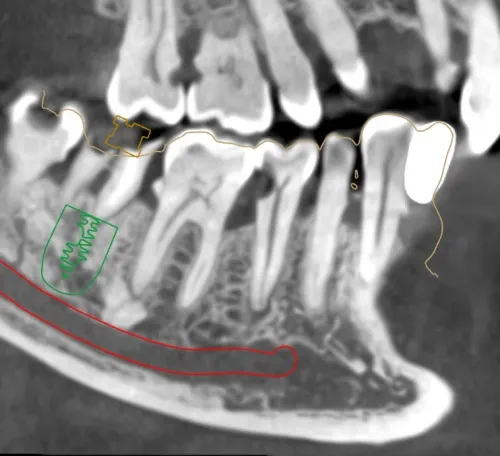
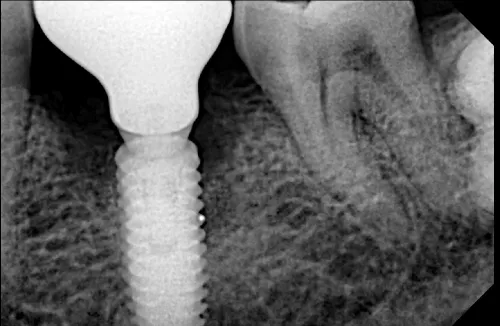
- Dental X-rays
These help determine whether the condition is gingivitis or more advanced periodontitis.
🛠️ How Is Gum Disease Treated?
Treatment depends on severity.
Professional Dental Cleaning
For early gum disease, professional cleaning may remove plaque and tartar that contribute to inflammation.
Scaling and Root Planing (Deep Cleaning)
For periodontitis, your dentist may recommend:
✔ Deep cleaning below the gum line
✔ Removal of bacterial deposits from root surfaces
✔ Periodontal maintenance visits
Advanced Periodontal Treatment
More severe cases may require additional periodontal procedures depending on the amount of bone and gum damage.
📉 Can Treating Gum Disease Help Diabetic Patients?
Research indicates that successful periodontal treatment may help reduce inflammation and can contribute to improved overall health.
While dental treatment is not a substitute for diabetes management, maintaining healthy gums is considered an important part of comprehensive diabetic care.
Patients should continue to follow their physician's recommendations regarding:
- Blood sugar monitoring
- Medications
- Diet
- Exercise
🪥 Oral Care Tips for Diabetic Patients
To help protect your gums:
✔ Brush twice daily
✔ Clean between teeth every day
✔ Use a soft-bristled toothbrush
✔ Attend regular dental check-ups
✔ Keep blood sugar levels under control
✔ Avoid tobacco products
✔ Report any gum bleeding promptly
Small oral health problems are often easier to manage when detected early.
🍽️ Why Blood Sugar Control Matters
Patients with well-controlled diabetes generally experience:
✅ Better healing
✅ Lower risk of infection
✅ Better periodontal treatment outcomes
✅ Reduced risk of tooth loss
Managing diabetes and maintaining oral health work together to support overall wellness.
🏥 Gum Disease Treatment for Diabetic Patients in Thane & Mulund West
At Procare Dental LLP, diabetic patients receive comprehensive gum evaluations to identify early signs of gingivitis and periodontitis.
Treatment plans are customized based on:
- Severity of gum disease
- Oral hygiene status
- Bone support
- Medical history
- Diabetes control
The goal is to help patients maintain healthy gums and preserve their natural teeth for as long as possible.
🚨 When Should You See a Dentist?
Book an appointment if you have diabetes and notice:
❌ Bleeding gums
❌ Swollen gums
❌ Persistent bad breath
❌ Loose teeth
❌ Gum recession
❌ Pus around the gums
❌ Pain while chewing
Early intervention often leads to better outcomes and may help prevent more serious dental problems.
✅ Final Takeaway
Diabetes and gum disease are closely connected.
✔ Diabetes can increase the risk of gum infections.
✔ Gum disease may make blood sugar control more challenging.
✔ Early diagnosis and treatment can help protect your teeth and gums.
✔ Regular dental visits should be an important part of diabetes care.
👉 If you have diabetes and are experiencing bleeding gums, swelling, or loose teeth, don't ignore these signs. A professional gum evaluation can help identify problems early and support both your oral and overall health.
📍 Procare Dental LLP – Thane & Mulund
📍 Thane Branch: Nitin Company Junction, Prestige Gardens, Thane West
📞 7071876876
To know more tap on the link given below:
https://www.procaredental.in/latest-update/dental-implants-for-seniors-is-age-just-a-number/257
Keywords