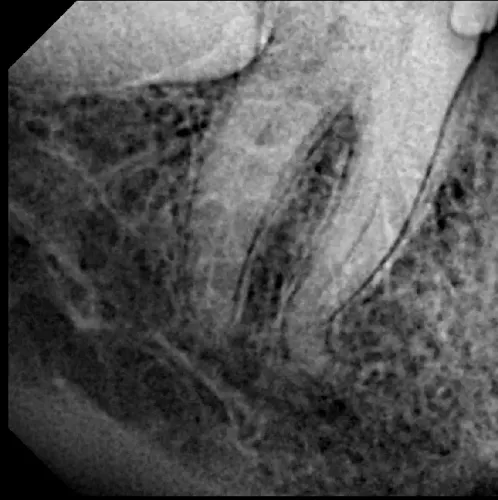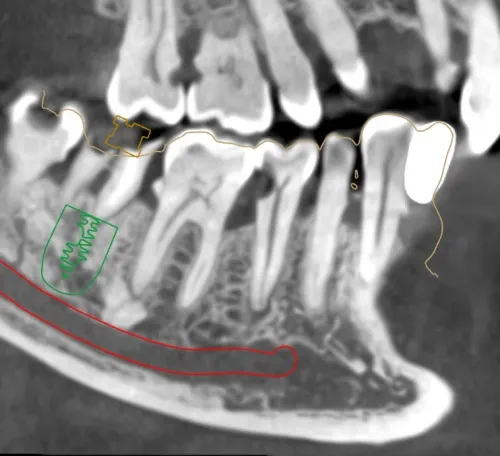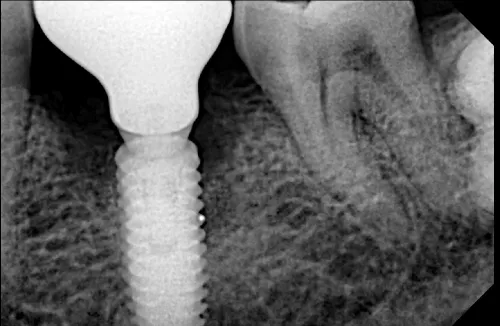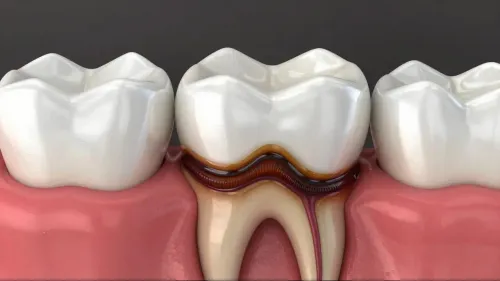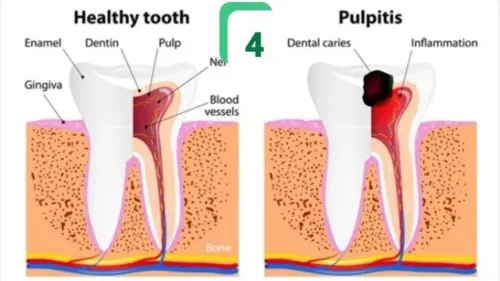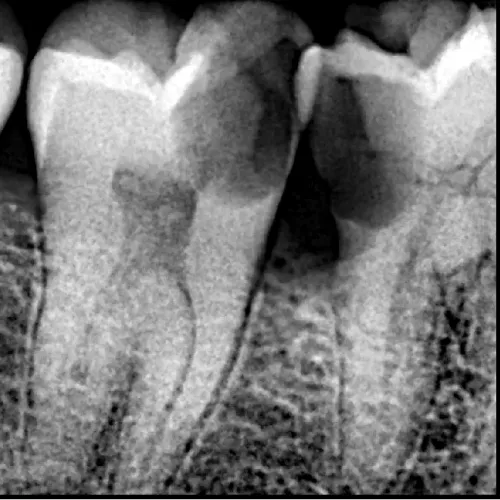
A severe toothache can strike suddenly and make it difficult to eat, sleep, or concentrate. While some tooth pain may be caused by temporary sensitivity, severe or persistent pain often indicates an underlying dental problem such as decay, infection, a cracked tooth, or a dental abscess.
If you're looking for an emergency dentist in Thane, here's what you should do while waiting for professional care.
🚨 Common Causes of Severe Tooth Pain
Severe tooth pain may result from:
- Deep tooth decay
- Dental abscess (infection)
- Cracked or fractured tooth
- Gum infection
- Impacted wisdom tooth
- Broken filling or crown
- Trauma to the tooth or jaw
Dental abscesses are particularly important because they can spread beyond the tooth if left untreated.
⚠️ Signs You Need Emergency Dental Care
Contact a dentist urgently if you have:
✔ Severe throbbing tooth pain
✔ Swelling of the gums, cheek, or jaw
✔ Fever along with tooth pain
✔ Pus discharge near a tooth
✔ Difficulty chewing or opening your mouth
✔ Broken or knocked-out tooth
These symptoms may indicate an infection requiring prompt treatment.
🦷 What You Can Do Immediately at Home
1. Rinse With Warm Salt Water
A warm salt-water rinse may help:
- Reduce bacteria
- Clean the affected area
- Soothe irritated tissues
Salt-water rinses are commonly recommended as a temporary measure to ease discomfort and support oral hygiene.
2. Apply a Cold Compress
Place a cold pack on the outside of your cheek for:
⏱️ 10–15 minutes at a time
This can help reduce swelling and temporarily relieve pain.
3. Avoid Trigger Foods
Until you can see a dentist, avoid:
❌ Very hot foods and drinks
❌ Ice-cold foods and drinks
❌ Hard foods
❌ Sugary snacks
These may worsen pain and sensitivity.
4. Keep the Area Clean
- Brush gently around the painful area
- Remove trapped food particles carefully
- Continue regular oral hygiene if possible
Good oral hygiene may help prevent the situation from worsening.
❌ What You Should NOT Do
Avoid:
- Placing aspirin directly on the gums
- Applying excessive heat to the face
- Ignoring swelling or fever
- Delaying treatment for several days
Home remedies may reduce symptoms temporarily but do not eliminate the underlying cause.
⚙️ What Happens During an Emergency Dental Visit?
Your dentist may:
- Examine the affected tooth
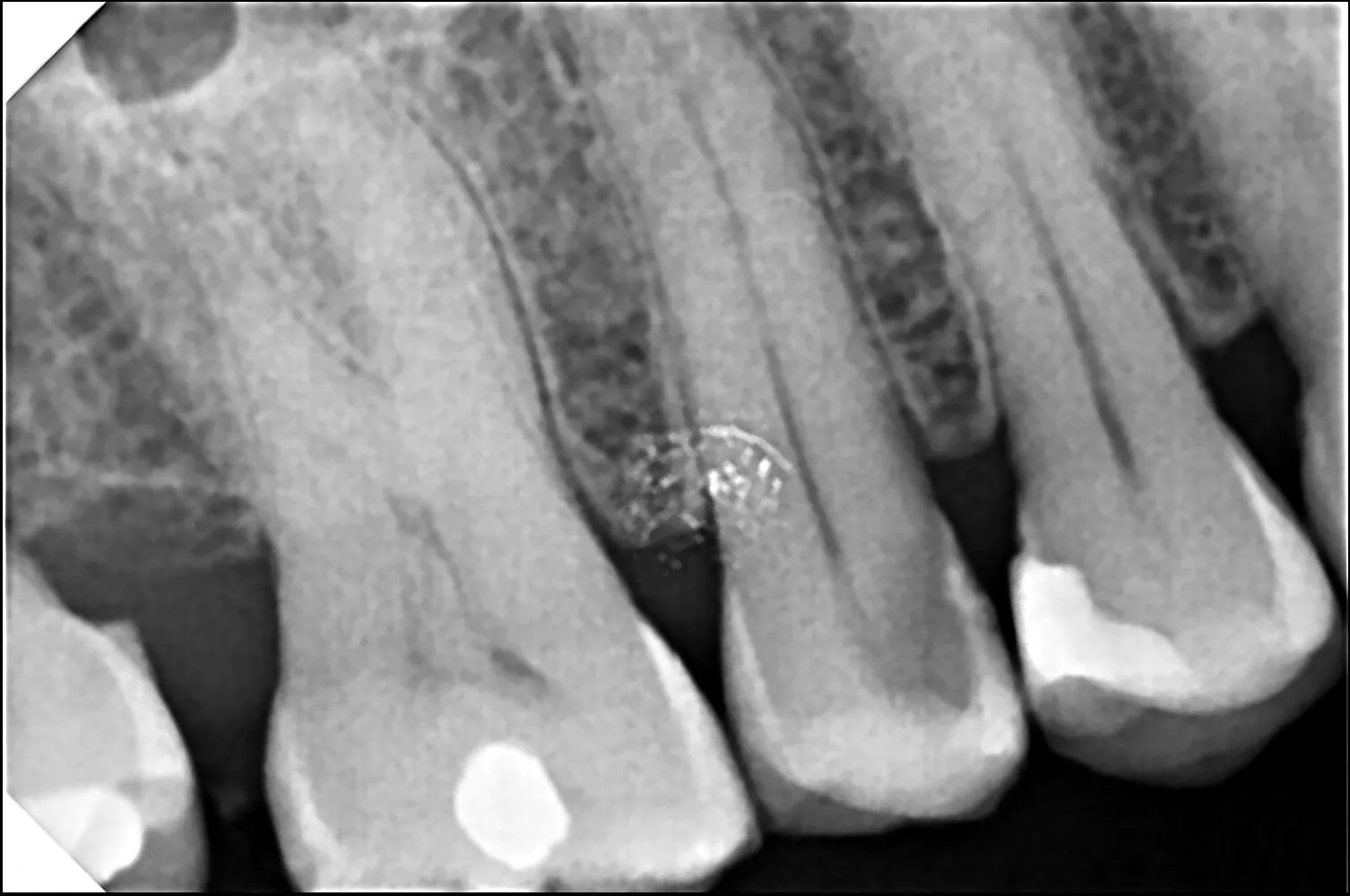
- Take digital X-rays
- Identify the source of pain
- Recommend appropriate treatment
Treatment may include:
- Root canal treatment
- Drainage of an abscess
- Tooth extraction
- Replacement of damaged restorations
- Medication when indicated
The goal is to relieve pain and remove the source of infection.
🚑 When Should You Go to a Hospital Instead?
Seek immediate emergency medical care if you have:
🚨 Difficulty breathing
🚨 Difficulty swallowing
🚨 Rapidly increasing facial swelling
🚨 Swelling extending into the neck or around the eyes
These symptoms may indicate a spreading infection and require urgent medical attention.
💡 How to Prevent Dental Emergencies
✔ Regular dental check-ups
✔ Early treatment of cavities
✔ Daily brushing and flossing
✔ Avoid chewing hard objects
✔ Prompt attention to tooth sensitivity or minor pain
Preventive care is often far easier and less costly than emergency treatment.
✅ Final Takeaway
If you're experiencing severe tooth pain:
✔ Rinse with warm salt water
✔ Apply a cold compress
✔ Avoid extreme temperatures
✔ Contact an emergency dentist as soon as possible
👉 Severe tooth pain is often a warning sign that should not be ignored. Early treatment can relieve discomfort, prevent complications, and may help save your natural tooth.
📍 Procare Dental LLP – Thane & Mulund
📞 7071876876
Keywords