One of the most common questions patients ask after completing a root canal is:
“Doctor, is a crown really necessary… or can I just keep the filling?”
The honest answer is:
👉 Not always—but in most cases, yes.
If you’ve had (or are planning) a root canal in Thane, Mulund, or Mumbai, here’s a clear, patient-friendly explanation to help you understand when a crown is essential and when it may not be.
First—What Happens to a Tooth After Root Canal?
A root canal removes the infected nerve and blood supply inside the tooth. While this saves the tooth, it also makes it:
• More brittle
• More prone to cracking
• Less flexible under chewing forces
Think of it like a dry branch—it looks fine, but breaks more easily.
So the main purpose of a crown is:
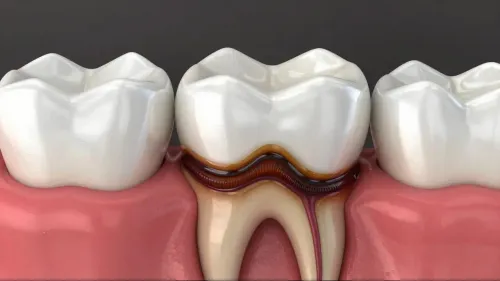
👉 To protect the weakened tooth from fracture.
When Is a Crown Strongly Recommended?
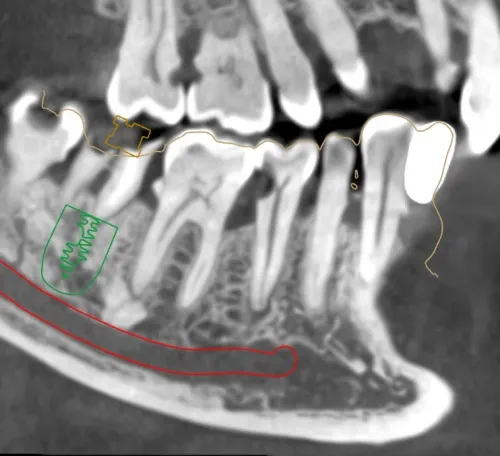
🦷 1. Back Teeth (Molars & Premolars)
These teeth take maximum chewing pressure.
After root canal, leaving them without a crown often leads to:
❌ Cracks
❌ Tooth fracture
❌ Need for extraction later
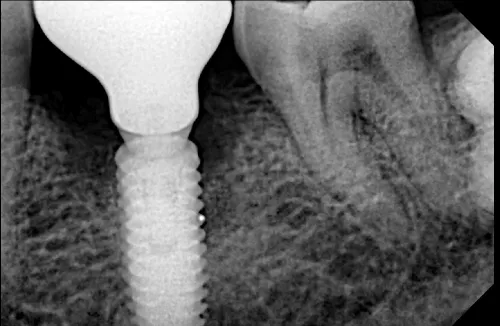
👉 For back teeth, a crown is almost always necessary.
🦷 2. Large Cavities or Broken Teeth
If much of the tooth structure was already lost, a crown provides:
✔ Strength
✔ Shape
✔ Long-term stability
A simple filling won’t be enough.
🦷 3. Teeth with Old Large Fillings
These teeth are already weakened.
Adding a crown significantly increases their lifespan.
When Might a Crown NOT Be Immediately Required?
In limited situations:
✅ Front Teeth (Incisors/Canines)
Front teeth experience less biting force.
If:
• Tooth structure is mostly intact
• Only a small access hole was made
• Bite is favourable
…a strong filling may be sufficient initially.
However, many patients still choose crowns later for:
• Extra strength
• Better aesthetics
• Long-term safety
What Happens If You Skip the Crown?
This is where problems start.
Without a crown, root canal–treated teeth commonly develop:
❌ Vertical cracks
❌ Sudden fracture while eating
❌ Loss of remaining tooth structure
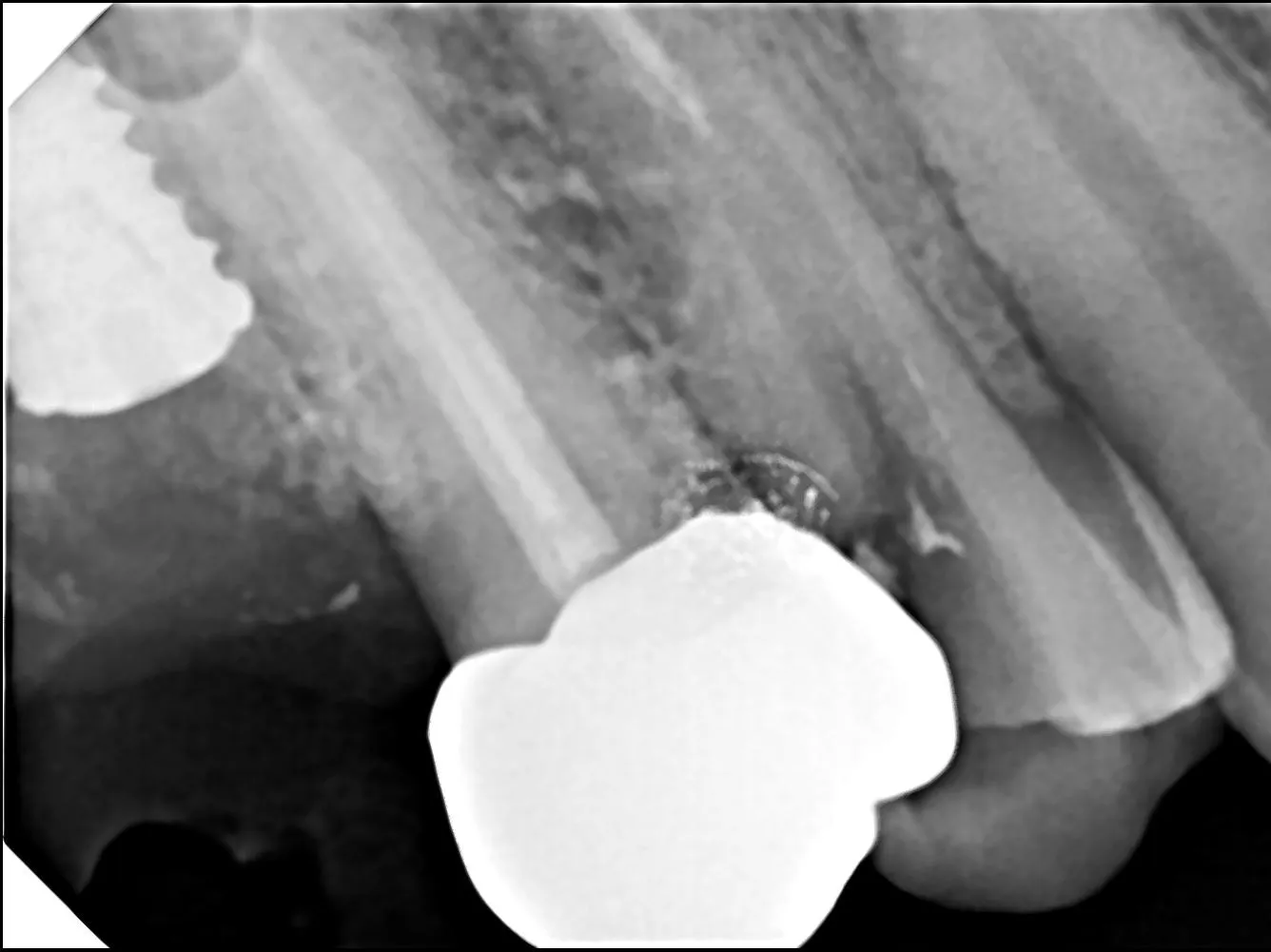
Unfortunately, many such teeth become non-restorable and need extraction.
Root canal saves the nerve.
The crown saves the tooth.
How Soon Should the Crown Be Done?
Ideally:
👉 Within 2–4 weeks after root canal
Delaying increases fracture risk—especially for back teeth.
What Type of Crown Is Usually Recommended?
At Procare Dental LLP, we commonly recommend:
✔ Zirconia crowns (metal-free, strong, aesthetic)
✔ Ceramic crowns (for front teeth aesthetics)
Choice depends on:
• Tooth position
• Bite forces
• Smile visibility
• Remaining tooth structure
Everything is customised.
Our Philosophy at Procare Dental LLP
We don’t place crowns automatically.
We first evaluate:
✔ How much tooth is left
✔ Your bite
✔ Tooth location
✔ Long-term prognosis
Then we explain:
• Whether a crown is essential
• What happens if you delay
• All available options
Our goal is always:
👉 Save the tooth for the long term—not just finish today’s treatment.
Final Takeaway
✔ Most root canal–treated back teeth NEED crowns
✔ Front teeth sometimes can manage with fillings (case dependent)
✔ Crowns prevent fractures
✔ Delaying crowns risks tooth loss
Root canal treats infection.
Crown protects your investment.
Book a Post–Root Canal Crown Consultation
📍 Clinics in Thane & Mulund
📞 7071876876
Keywords