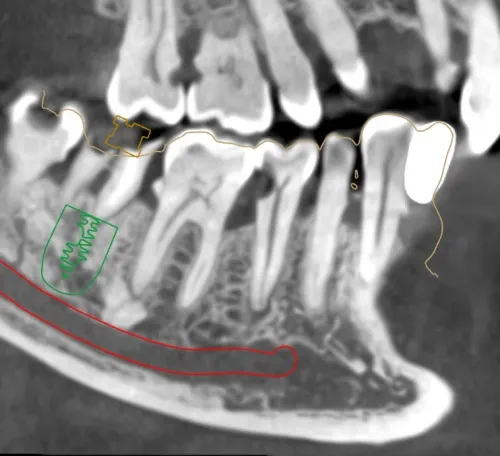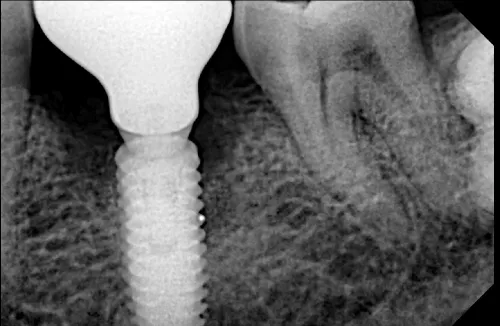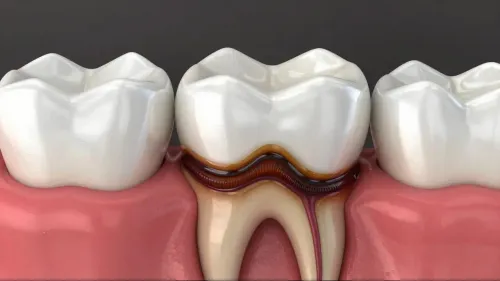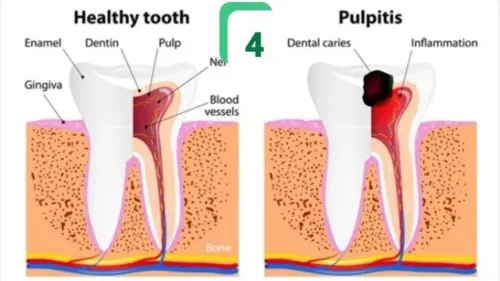
Getting a dental implant is a multi-step process, and healing is an important part of successful implant treatment. While the surgical site may feel much better within a few days, the implant itself needs time to bond with the surrounding jawbone.
If you are considering dental implants in Thane or Mulund West Mumbai, knowing what to expect during each stage of healing can make the recovery process easier and less stressful.
⏳ How Long Does a Dental Implant Take to Heal?
There are actually two different types of healing to consider:
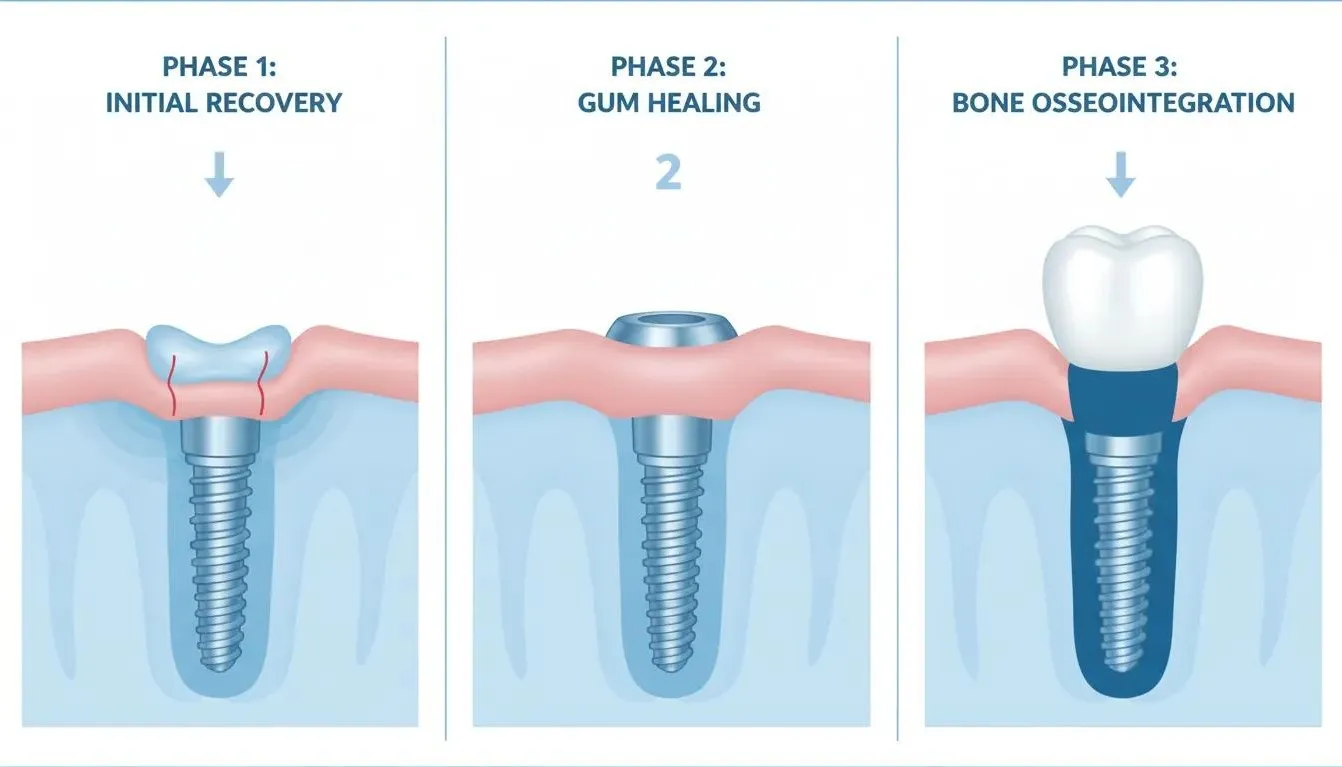
- Soft-tissue healing: The gums around the surgical site usually heal relatively quickly.
- Bone healing (osseointegration): The jawbone gradually bonds with the implant surface and provides long-term stability.
For many patients, the overall healing period before the final crown is placed is around 3–6 months, although it can be shorter or longer depending on the case.
If bone grafting or other procedures are required, the overall treatment timeline may be longer.
📅 Dental Implant Healing: Week by Week
🩹 Day 1–3: Initial Healing
The first few days are when you are most likely to notice:
- Mild swelling
- Tenderness around the implant
- Minor bleeding or oozing
- Bruising in some cases
- A feeling of tightness around the surgical area
Swelling often becomes more noticeable during the first couple of days before gradually improving.
What should you do?
Follow your dentist's post-operative instructions carefully. Depending on your individual treatment, you may be advised to:
✔ Eat softer foods
✔ Avoid chewing directly over the surgical site
✔ Maintain good oral hygiene without disturbing the wound
✔ Avoid smoking
✔ Take prescribed medications as directed
🦷 Week 1: Gum Healing Begins
By the end of the first week, many patients feel significantly more comfortable.
The gum tissue begins closing and healing around the surgical area. If stitches have been placed, your dentist may check the site and remove them if non-dissolving sutures were used.
You may still have some tenderness, but significant or worsening pain is not expected.
Important:
Don't judge implant success based on how the area feels during the first week. The important bone-healing process is only beginning.
🦴 Week 2: Early Tissue Healing
During the second week, the soft tissues continue to mature.
Most everyday activities can generally be resumed, depending on the procedure and your dentist's advice.
However, the implant is not yet fully integrated with the bone.
This is why you should avoid putting unnecessary pressure or excessive chewing forces on the implant unless your dentist has specifically cleared it for function.
🔬 Weeks 3–4: Bone Integration Continues
By weeks three and four, the surgical site may look and feel much more normal.
However, beneath the gums, the process of osseointegration is continuing.
Bone cells gradually form around the implant and establish a stable connection.
This stage is important because the implant needs sufficient stability before it can reliably support the final restoration.
📆 Months 2–3: Stronger Bone Integration
During the second and third months, bone continues to remodel around the implant.
You may not notice any obvious changes because much of the healing is happening beneath the gum.
Your dentist may evaluate the implant's stability before moving to the next stage of treatment.
For some patients, an implant may be ready for restoration during this period. Others require additional healing time.
🦷 Months 3–6: Final Integration & Crown
For many conventional implant cases, 3–6 months is a common overall healing range.
Once the implant has adequately integrated with the bone, your dentist can proceed with the restorative phase.
This may involve:
- Attaching a healing abutment, if required
- Shaping and preparing the gum tissue
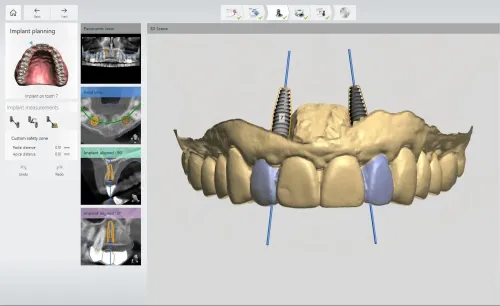
- Taking a digital scan or impression
- Designing the crown
- Fabricating the final restoration
- Attaching the crown to the implant
The result is a tooth designed to look and function as naturally as possible.
🩻 Why Does Dental Implant Healing Take So Long?
Unlike a simple dental filling or crown, an implant involves placing a titanium or other biocompatible implant fixture into the jawbone.
The body then needs time to form a strong biological connection between the bone and implant.
This process is called osseointegration.
The implant may feel completely comfortable long before this process is finished, which is why your dentist may recommend waiting before placing the final tooth.
⚡ Can Dental Implants Heal Faster?
In selected cases, dentists may use immediate loading or early loading protocols, allowing a temporary or permanent tooth to be attached sooner.
However, this is not appropriate for every patient.
Factors such as:
- Bone quality and quantity
- Implant stability
- Implant location
- Number of implants
- Bite forces
- Gum condition
- Overall treatment plan
can influence whether early loading is appropriate.
Faster treatment is not automatically better treatment. The priority is achieving predictable implant stability and healthy healing.
🦴 What If You Had Bone Grafting?
If bone grafting was performed along with or before implant placement, healing may take longer.
Your dentist may need to allow the graft to mature before placing the implant, depending on the type and extent of bone augmentation.
Similarly, sinus lift procedures in the upper back jaw can affect the overall treatment timeline.
🚨 When Should You Contact Your Dentist?
Some discomfort and swelling are normal after implant surgery. However, contact your dentist if you experience:
- Severe or increasing pain
- Swelling that continues to worsen
- Persistent bleeding
- Pus or unusual discharge
- Fever
- Significant implant movement
- Persistent numbness
- A bad taste or smell associated with the surgical area
Early assessment is important if something doesn't seem right.
🗓️ Dental Implant Healing Timeline at a Glance
StageWhat Usually HappensDay 1–3Swelling, tenderness and initial wound healingWeek 1Gum healing begins; discomfort usually reducesWeek 2Soft tissues continue to healWeeks 3–4Osseointegration continuesMonths 2–3Bone integration becomes strongerMonths 3–6Implant may be ready for final restorationAfter healingFinal crown/bridge or denture is fitted
Remember: This is a general timeline, not a fixed schedule. Healing can vary considerably between patients.
🦷 What Factors Affect Dental Implant Healing Time?
Your healing time can depend on:
1. Bone quality
Healthy, adequate bone generally provides better conditions for implant stability.
2. Gum health
Active gum disease should be addressed before or during implant treatment.
3. Smoking
Smoking can negatively affect oral wound healing and implant outcomes.
4. Diabetes and general health
Certain medical conditions can influence healing and need to be considered when planning treatment.
5. Bone grafting
Additional procedures may extend the overall timeline.
6. Implant location
Implants in different areas of the mouth experience different chewing forces and bone conditions.
7. Number of implants
Full-mouth or multiple-implant treatment naturally involves a more complex healing and restoration process.
Frequently Asked Questions
How many days does it take for a dental implant to heal?
The gums may become substantially more comfortable within about 1–2 weeks, but the deeper bone-healing process takes considerably longer.
Can I go to work after getting a dental implant?
Many patients can return to normal activities relatively quickly, sometimes within a day or two. However, this depends on the complexity of the surgery and your individual recovery.
When can I eat normally after an implant?
You will generally be advised to start with softer foods and gradually return to normal eating as healing progresses. Your dentist will tell you when it is safe to chew directly over the implant.
How long before a crown is placed?
For many conventional cases, the final crown is placed after adequate osseointegration, often around 3–6 months after implant placement. Some carefully selected cases can follow an earlier loading protocol.
Does a dental implant hurt while healing?
Some soreness, swelling and tenderness are normal during the initial recovery period. Persistent, severe or worsening pain should be evaluated by your dentist.
🦷 The Key Takeaway
Your mouth may heal quickly, but your dental implant needs time to integrate with the jawbone.
The first few weeks are mainly about soft-tissue recovery, while the following months allow the bone to develop a stable connection with the implant.
If you are planning dental implants in Thane or Mulund West, a personalised assessment can help determine your expected healing and treatment timeline.
Procare Dental LLP – Thane & Mulund West, Mumbai
📞 7071876876
Keywords