After finishing a root canal, many patients ask:
“My pain is gone—do I really need a crown now?”
“Can I manage with just a filling?”
The clear, clinical answer in most cases is:
👉 Yes, a dental crown after a root canal is strongly recommended—and often essential.
If you’re in Thane, Mulund, or Mumbai, here’s a simple explanation of why.
What Happens to a Tooth After a Root Canal?
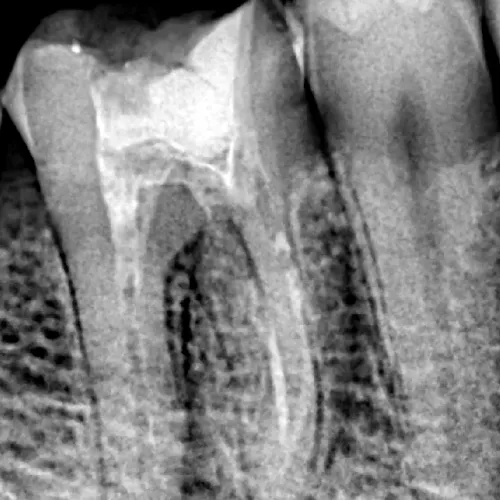
A root canal removes the infected nerve and blood supply inside the tooth. While this saves the tooth from infection, it also means the tooth becomes:
- Weaker and brittle
- More prone to cracks
- Less resistant to chewing forces
The tooth may look fine on the outside, but structurally it needs protection.
Why a Crown Is Recommended After Root Canal
1) Prevents Tooth Fracture
Root canal–treated teeth can crack suddenly while chewing—even months later.
A crown caps and holds the tooth together, preventing splits.
2) Restores Chewing Strength
A crown distributes biting forces evenly, allowing you to chew comfortably without fear.
3) Seals the Tooth Completely
Crowns create a tight seal, reducing the risk of bacteria re-entering the tooth and causing reinfection.
4) Increases the Lifespan of the Root Canal
Clinical evidence shows teeth that receive crowns after RCT last significantly longer than those left with fillings alone.
Is a Crown Compulsory for Every Root Canal Tooth?
🔹 Back Teeth (Molars & Premolars)
👉 Almost always YES
These teeth take the maximum chewing load and fracture risk is high without a crown.
🔹 Front Teeth (Incisors & Canines)
👉 Case-dependent
If tooth structure loss is minimal and bite forces are low, a filling or veneer may be considered—but a crown still offers the best long-term protection.
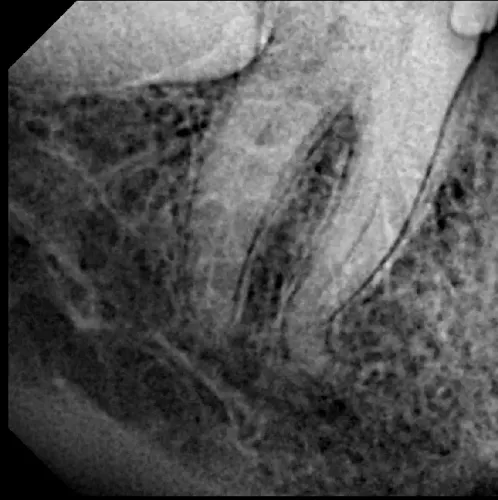
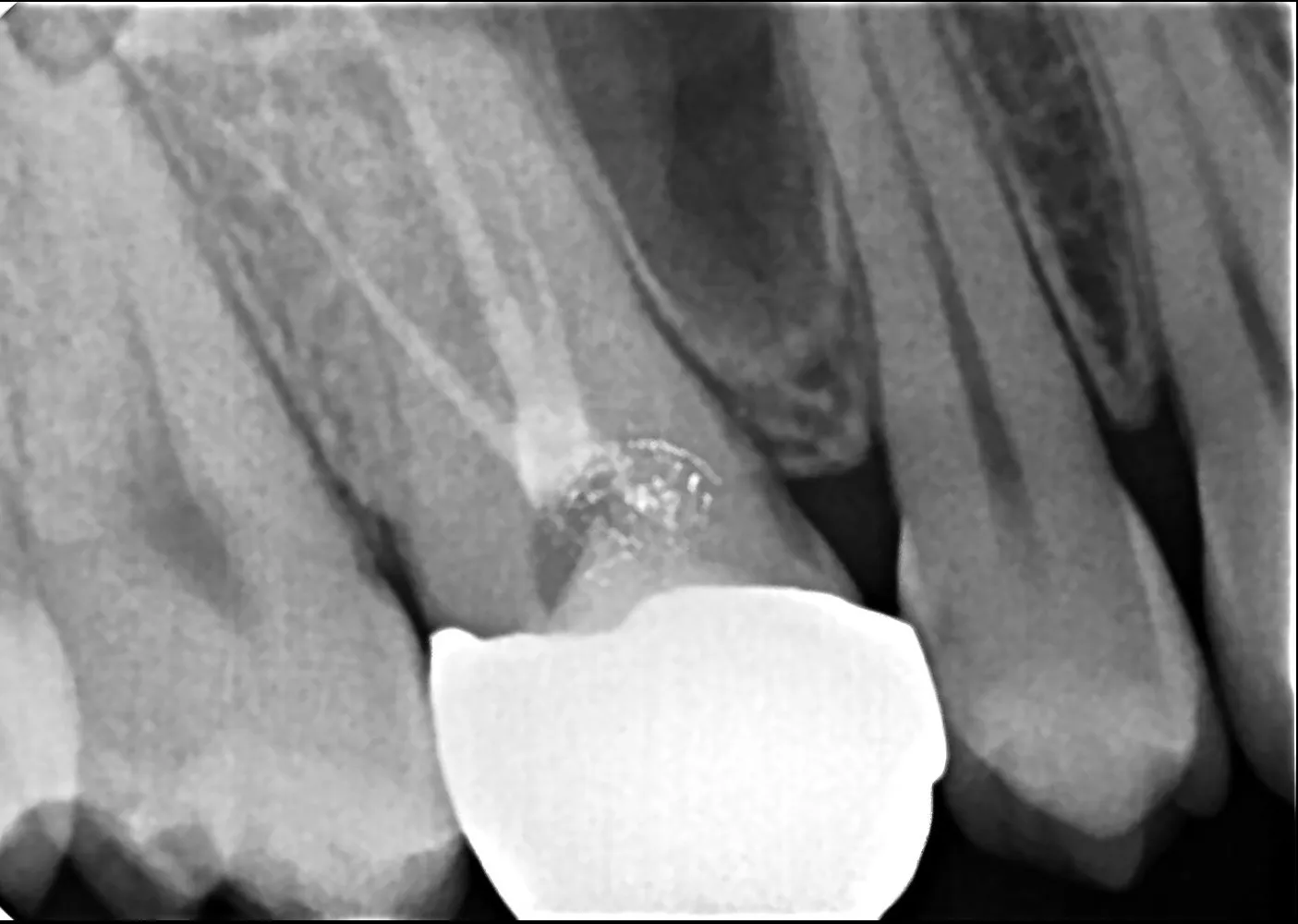
Your dentist will decide based on X-rays, bite, and remaining tooth structure.
Can I Delay the Crown?
A short delay may be acceptable, but delaying too long increases the risk of:
- Tooth fracture
- Sudden pain
- Tooth becoming non-restorable
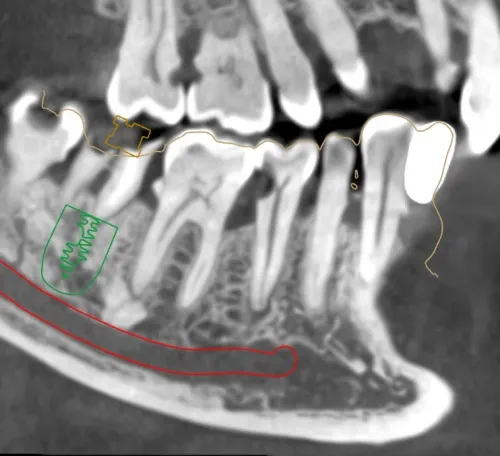
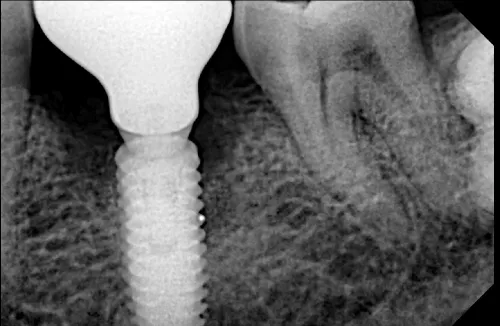
- Extraction → implant or bridge later (higher cost)
Delaying often costs more in the long run.
What If the Tooth Breaks Without a Crown?
If a root canal tooth fractures badly:
- Repair may not be possible
- Extraction may be required
- Replacement (implant/bridge) becomes necessary
A crown is preventive—it avoids this scenario.
Which Crown Is Best After Root Canal?
Many dentists recommend zirconia crowns because they are:
- Very strong
- Metal-free
- Natural-looking
- Gum-friendly
- Long-lasting
The final choice depends on tooth position, bite, and budget.
Does Crown Placement Hurt?
No.
The procedure is done under local anesthesia and is typically comfortable. Mild sensitivity afterward is temporary.
How Long Will the Crown Last?
With good care:
- 10–15 years or longer
Regular cleaning, flossing, and check-ups help extend its life.
Why Patients Choose Procare Dental LLP for Crowns
Patients in Thane & Mulund trust us for:
- Digital crown planning
- Precise fit and bite
- High-quality materials
- Honest, case-based advice
- Focus on durability and comfort
Final Verdict
For most root canal–treated teeth, a crown is not just optional—it’s protective and preventive.
Skipping it risks losing the tooth altogether.
Book a Crown Consultation
📍 Thane & Mulund
📞 7071876876
Keywords