One of the most common concerns patients have after being told they need a dental implant is:
'Why do I need a bone graft before getting an implant?'
The answer is simple: a dental implant needs enough healthy jawbone for support. If the bone has shrunk after tooth loss, gum disease, or trauma, a bone graft helps rebuild the area, creating a strong foundation for a successful implant.
If you're considering dental implants in Thane or Mulund West Mumbai, understanding bone grafting can help you feel more confident about your treatment plan.
🦴 What Is Bone Grafting?
Bone grafting is a surgical procedure used to rebuild or increase the volume of jawbone where an implant is planned.
The graft acts as a scaffold, encouraging your body to grow new bone over time. Once healing is complete, the new bone provides stable support for the dental implant.
🤔 Why Might You Need a Bone Graft?
Your dentist may recommend bone grafting if:
✔ You've had a missing tooth for a long time
✔ Bone has shrunk after tooth extraction
✔ You have advanced gum disease
✔ You have suffered dental trauma
✔ Your jawbone is naturally thin
Without adequate bone, the implant may not have enough support for long-term success.
📉 Why Does Bone Loss Occur?
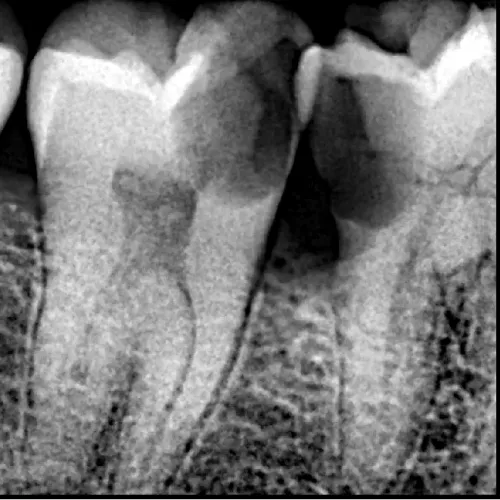
After a tooth is lost, the jawbone no longer receives stimulation from the tooth root.
Over time:
- Bone begins to shrink
- The jaw becomes thinner
- Nearby teeth may shift
- Implant placement becomes more difficult
Bone loss can begin within the first few months after tooth extraction and continues gradually if the missing tooth is not replaced.
📋 How Does Your Dentist Decide If You Need Bone Grafting?
Before implant treatment, your dentist will perform:
- Clinical examination
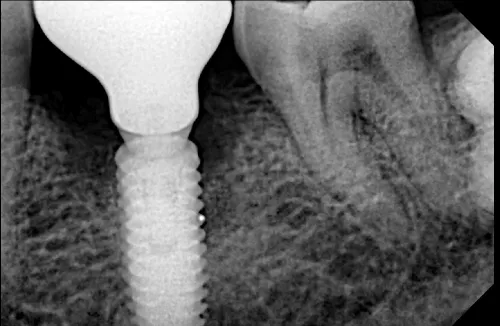
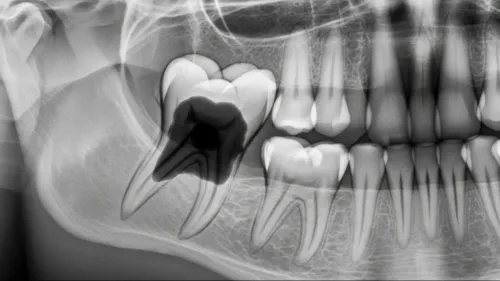
- Digital X-rays
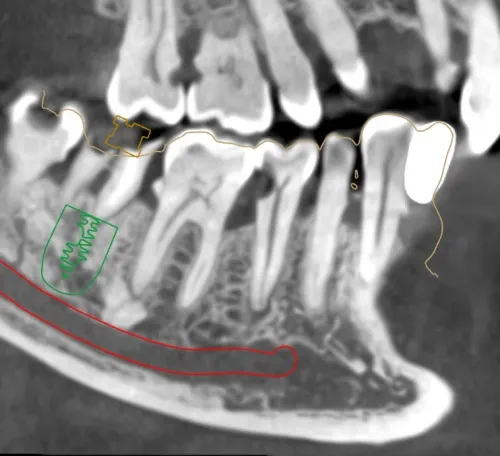
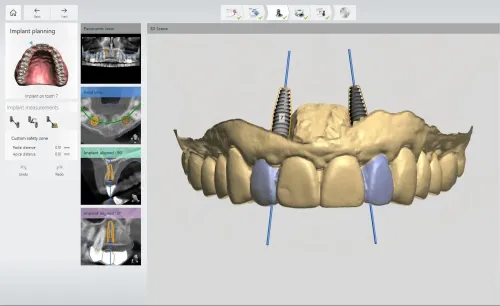
- CBCT (3D) scan
- Bone volume assessment
At Procare Dental LLP, CBCT imaging allows precise measurement of bone height, width, and density, helping create a customized implant treatment plan.
⚙️ Types of Bone Grafting
Depending on your condition, your dentist may recommend:
1. Socket Preservation
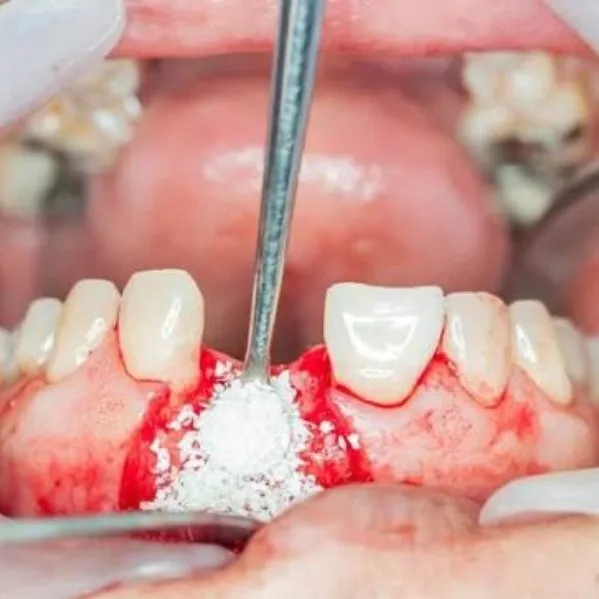
Performed immediately after tooth extraction to reduce bone loss and preserve the site for a future implant.
2. Ridge Augmentation
Used when the jawbone has become too narrow or thin for implant placement.
3. Sinus Lift
Recommended for implants in the upper back jaw when there is insufficient bone beneath the maxillary sinus.
4. Minor Bone Grafting
Small bone defects around the implant site can often be corrected with localized grafting.
⏱️ Bone Grafting Procedure
The procedure usually involves:
- Local anaesthesia
- Preparation of the implant site
- Placement of graft material
- Protective membrane (when required)
- Suturing
The procedure is generally comfortable and performed as an outpatient treatment.
📅 Healing Timeline
Healing depends on the size and type of graft.
StageTypical DurationInitial Gum Healing1–2 weeksBone Maturation3–6 monthsDental Implant PlacementAfter adequate healing
In selected cases with sufficient primary stability, implant placement and bone grafting may be performed during the same appointment.
😌 Is Bone Grafting Painful?
Most patients are pleasantly surprised by how comfortable the procedure is.
During treatment:
✔ Local anaesthesia prevents pain
After surgery, you may experience:
- Mild swelling
- Minor soreness
- Temporary discomfort
These symptoms usually improve within a few days and can often be managed with prescribed medication.
🦷 What Materials Are Used for Bone Grafting?
Depending on your clinical needs, your dentist may use:
- Synthetic bone graft material
- Donor bone (allograft)
- Animal-derived bone substitute (xenograft)
- Your own bone (autograft) in selected cases
Your dentist will recommend the most appropriate material based on your individual situation.
💡 Tips for Faster Healing
To support healing after bone grafting:
✔ Follow all post-operative instructions
✔ Maintain excellent oral hygiene
✔ Avoid smoking and tobacco
✔ Eat a soft diet initially
✔ Attend all follow-up appointments
Smoking significantly increases the risk of delayed healing and graft failure.
⚠️ Signs You Should Contact Your Dentist
Call your dentist if you notice:
❌ Persistent swelling that worsens
❌ Heavy bleeding
❌ Severe pain not relieved by medication
❌ Fever
❌ Pus or discharge from the surgical site
Prompt evaluation helps prevent complications.
💰 Does Bone Grafting Increase Implant Cost?
Yes. Bone grafting is an additional procedure and may increase the overall treatment cost.
The cost depends on:
- Size of the graft
- Type of graft material
- Complexity of the procedure
- Whether a sinus lift or membrane is required
Your dentist should provide a detailed treatment estimate before beginning treatment.
🏥 Is Bone Grafting Worth It?
Absolutely.
Bone grafting helps:
✔ Create a stable foundation for implants
✔ Improve long-term implant success
✔ Restore lost bone volume
✔ Support facial structure
✔ Increase the chances of achieving natural-looking results
For many patients, it allows implant treatment that would otherwise not be possible.
✅ Final Takeaway
Needing a bone graft does not mean you cannot receive dental implants. In fact, bone grafting is a routine and predictable procedure that helps rebuild the jaw and improve implant success.
✔ Rebuilds lost jawbone
✔ Creates strong implant support
✔ Improves long-term stability
✔ Makes implant treatment possible for many patients with bone loss
👉 If you've been told you don't have enough bone for an implant, don't lose hope. A detailed CBCT evaluation and personalized treatment plan can determine whether bone grafting can prepare your jaw for a strong, long-lasting dental implant.
📍 Procare Dental LLP – Thane & Mulund
📍 Thane Branch: Nitin Company Junction, Prestige Gardens, Thane West
📞 One of the most common concerns patients have after being told they need a dental implant is:
'Why do I need a bone graft before getting an implant?'
The answer is simple: a dental implant needs enough healthy jawbone for support. If the bone has shrunk after tooth loss, gum disease, or trauma, a bone graft helps rebuild the area, creating a strong foundation for a successful implant.
If you're considering dental implants in Thane or Mulund West Mumbai, understanding bone grafting can help you feel more confident about your treatment plan.
🦴 What Is Bone Grafting?
Bone grafting is a surgical procedure used to rebuild or increase the volume of jawbone where an implant is planned.
The graft acts as a scaffold, encouraging your body to grow new bone over time. Once healing is complete, the new bone provides stable support for the dental implant.
🤔 Why Might You Need a Bone Graft?
Your dentist may recommend bone grafting if:
✔ You've had a missing tooth for a long time
✔ Bone has shrunk after tooth extraction
✔ You have advanced gum disease
✔ You have suffered dental trauma
✔ Your jawbone is naturally thin
Without adequate bone, the implant may not have enough support for long-term success.
📉 Why Does Bone Loss Occur?
After a tooth is lost, the jawbone no longer receives stimulation from the tooth root.
Over time:
- Bone begins to shrink
- The jaw becomes thinner
- Nearby teeth may shift
- Implant placement becomes more difficult
Bone loss can begin within the first few months after tooth extraction and continues gradually if the missing tooth is not replaced.
📋 How Does Your Dentist Decide If You Need Bone Grafting?
Before implant treatment, your dentist will perform:
- Clinical examination
- Digital X-rays
- CBCT (3D) scan
- Bone volume assessment
At Procare Dental LLP, CBCT imaging allows precise measurement of bone height, width, and density, helping create a customized implant treatment plan.
⚙️ Types of Bone Grafting
Depending on your condition, your dentist may recommend:
1. Socket Preservation
Performed immediately after tooth extraction to reduce bone loss and preserve the site for a future implant.
2. Ridge Augmentation
Used when the jawbone has become too narrow or thin for implant placement.
3. Sinus Lift
Recommended for implants in the upper back jaw when there is insufficient bone beneath the maxillary sinus.
4. Minor Bone Grafting
Small bone defects around the implant site can often be corrected with localized grafting.
⏱️ Bone Grafting Procedure
The procedure usually involves:
- Local anaesthesia
- Preparation of the implant site
- Placement of graft material
- Protective membrane (when required)
- Suturing
The procedure is generally comfortable and performed as an outpatient treatment.
📅 Healing Timeline
Healing depends on the size and type of graft.
StageTypical DurationInitial Gum Healing1–2 weeksBone Maturation3–6 monthsDental Implant PlacementAfter adequate healing
In selected cases with sufficient primary stability, implant placement and bone grafting may be performed during the same appointment.
😌 Is Bone Grafting Painful?
Most patients are pleasantly surprised by how comfortable the procedure is.
During treatment:
✔ Local anaesthesia prevents pain
After surgery, you may experience:
- Mild swelling
- Minor soreness
- Temporary discomfort
These symptoms usually improve within a few days and can often be managed with prescribed medication.
🦷 What Materials Are Used for Bone Grafting?
Depending on your clinical needs, your dentist may use:
- Synthetic bone graft material
- Donor bone (allograft)
- Animal-derived bone substitute (xenograft)
- Your own bone (autograft) in selected cases
Your dentist will recommend the most appropriate material based on your individual situation.
💡 Tips for Faster Healing
To support healing after bone grafting:
✔ Follow all post-operative instructions
✔ Maintain excellent oral hygiene
✔ Avoid smoking and tobacco
✔ Eat a soft diet initially
✔ Attend all follow-up appointments
Smoking significantly increases the risk of delayed healing and graft failure.
⚠️ Signs You Should Contact Your Dentist
Call your dentist if you notice:
❌ Persistent swelling that worsens
❌ Heavy bleeding
❌ Severe pain not relieved by medication
❌ Fever
❌ Pus or discharge from the surgical site
Prompt evaluation helps prevent complications.
💰 Does Bone Grafting Increase Implant Cost?
Yes. Bone grafting is an additional procedure and may increase the overall treatment cost.
The cost depends on:
- Size of the graft
- Type of graft material
- Complexity of the procedure
- Whether a sinus lift or membrane is required
Your dentist should provide a detailed treatment estimate before beginning treatment.
🏥 Is Bone Grafting Worth It?
Absolutely.
Bone grafting helps:
✔ Create a stable foundation for implants
✔ Improve long-term implant success
✔ Restore lost bone volume
✔ Support facial structure
✔ Increase the chances of achieving natural-looking results
For many patients, it allows implant treatment that would otherwise not be possible.
✅ Final Takeaway
Needing a bone graft does not mean you cannot receive dental implants. In fact, bone grafting is a routine and predictable procedure that helps rebuild the jaw and improve implant success.
✔ Rebuilds lost jawbone
✔ Creates strong implant support
✔ Improves long-term stability
✔ Makes implant treatment possible for many patients with bone loss
👉 If you've been told you don't have enough bone for an implant, don't lose hope. A detailed CBCT evaluation and personalized treatment plan can determine whether bone grafting can prepare your jaw for a strong, long-lasting dental implant.
📍 Procare Dental LLP – Thane & Mulund
📍 Thane Branch: Nitin Company Junction, Prestige Gardens, Thane West
📞 7071876876
To know more tap on the link given below:
https://www.procaredental.in/latest-update/precision-driven-dentistry-virtual-implant-pla/120
Keywords