Do your gums bleed when you brush or floss? Many people assume that bleeding gums are normal, especially if they brush aggressively or haven't flossed for a while.
However, healthy gums generally should not bleed regularly.
Bleeding gums are often an early warning sign of gingivitis or gum disease and should not be ignored. The good news is that when detected early, gum problems can often be treated effectively.
If you're experiencing bleeding gums in Thane or Mulund West Mumbai, here's what you need to know.
🦷 Why Do Gums Bleed?
The most common cause of bleeding gums is inflammation caused by plaque buildup.
Plaque is a sticky layer of bacteria that forms continuously around your teeth. If it isn't removed properly, it can irritate the gums and cause:
- Redness
- Swelling
- Tenderness
- Bleeding during brushing or flossing
This early stage of gum disease is called gingivitis.
🚨 Common Causes of Bleeding Gums
1. Gingivitis
This is one of the most common causes.
You may notice:
✔ Bleeding while brushing
✔ Red or swollen gums
✔ Bad breath
✔ Tender gums
With appropriate treatment and improved oral hygiene, gingivitis can often be reversed.
2. Periodontitis
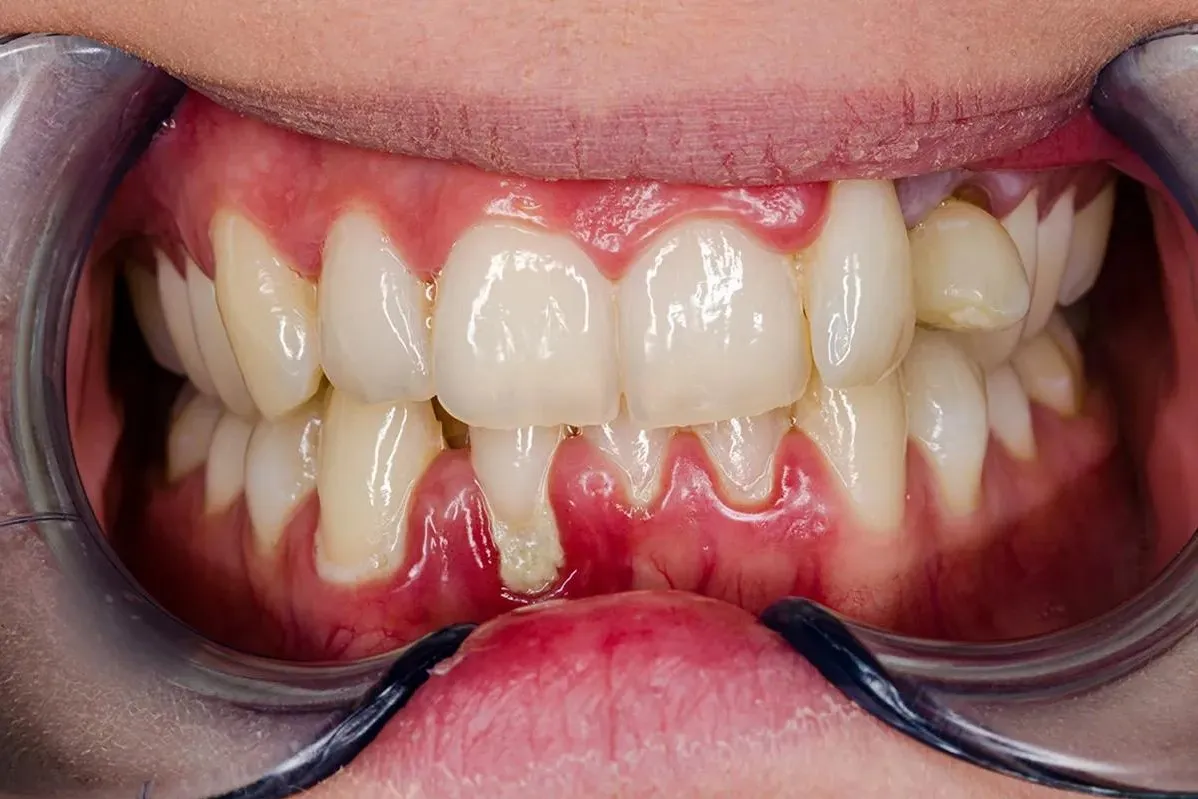
If gingivitis is left untreated, it can progress to periodontitis, a more advanced form of gum disease.
Signs may include:
- Persistent bleeding
- Gum recession
- Loose teeth
- Pus around the gums
- Persistent bad breath
- Changes in the way your teeth bite
Periodontitis can cause permanent damage to the bone supporting your teeth.
3. Brushing Too Hard
Using excessive force or a hard-bristled toothbrush can irritate your gums.
Try:
✔ A soft-bristled toothbrush
✔ Gentle circular movements
✔ Two minutes of brushing twice a day
4. Not Flossing Regularly
If you have recently started flossing, you may notice some bleeding initially.
This can happen because the gums are inflamed.
Don't automatically stop flossing because of minor bleeding.
With consistent, gentle cleaning, inflammation may reduce. However, persistent bleeding should be checked by a dentist.
5. Dental Plaque and Tartar
Plaque that remains on teeth can harden into tartar (calculus).
Unlike plaque, tartar cannot be removed effectively with a toothbrush at home.
Professional dental cleaning may therefore be required.
6. Poorly Fitting Dental Restorations
Overhanging fillings, crowns, bridges, or other restorations can sometimes make plaque control difficult and contribute to localized gum inflammation.
Your dentist can check whether a restoration is contributing to the problem.
🩺 How Is the Cause Diagnosed?
Your dentist may examine:
- Gum colour and swelling
- Bleeding points
- Plaque and tartar
- Gum pocket depths
- Tooth mobility
- Gum recession
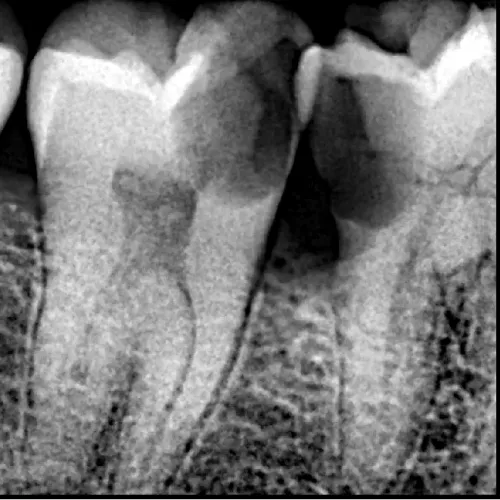
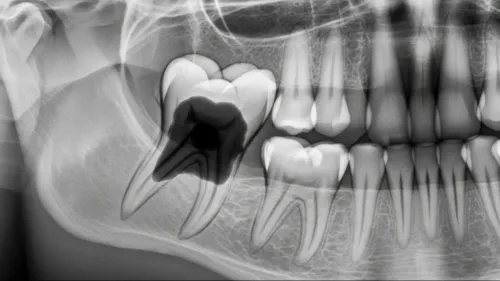
Dental X-rays may be recommended when there is concern about bone loss or other underlying problems.
A proper diagnosis is important because bleeding gums are a symptom, not a diagnosis.
🧼 How Are Bleeding Gums Treated?
Treatment depends on the underlying cause.
Professional Dental Cleaning
If plaque and tartar are contributing to gum inflammation, your dentist may recommend professional scaling and cleaning.
This removes deposits that cannot be effectively removed with routine brushing.
Improved Home Care
Your dentist may recommend:
✔ Brushing twice daily with a soft toothbrush
✔ Cleaning between teeth every day
✔ Using interdental brushes where appropriate
✔ Cleaning the tongue
✔ Maintaining regular dental check-ups
The goal is to control the bacterial plaque responsible for gum inflammation.
🦷 What Happens If You Ignore Bleeding Gums?
Occasional bleeding after aggressive brushing may not indicate serious disease.
But regular or unexplained bleeding should not be ignored.
Untreated gum disease can progress to:
- Gum recession
- Bone loss
- Tooth mobility
- Tooth loss
Early treatment is generally simpler than managing advanced periodontal disease.
❓ Should You Stop Brushing If Your Gums Bleed?
No.
Stopping brushing can allow even more plaque to accumulate.
Instead:
✔ Use a soft toothbrush
✔ Brush gently along the gum line
✔ Clean between your teeth
✔ Avoid aggressive scrubbing
If bleeding continues despite good oral hygiene, schedule a dental examination.
🥗 Can Diet Affect Gum Health?
A balanced diet supports overall oral and general health.
Choose a diet containing:
- Vegetables
- Fruits
- Protein-rich foods
- Whole grains
- Adequate water
Limit frequent consumption of sugary foods and drinks, which can contribute to plaque-related dental problems.
🚭 Smoking and Bleeding Gums
Smoking significantly affects gum health and can increase the risk of periodontal disease.
Interestingly, smoking can sometimes reduce visible gum bleeding, meaning the absence of bleeding does not necessarily mean the gums are healthy.
If you smoke or use tobacco, discuss your gum health with your dentist.
🏥 Bleeding Gums Treatment in Thane & Mulund West
At Procare Dental LLP, gum health is evaluated through clinical examination, periodontal assessment, and dental imaging when required.
Depending on the diagnosis, treatment may range from professional cleaning and improved home care to more comprehensive periodontal treatment.
The goal is not simply to stop the bleeding but to identify and treat the underlying cause.
🚨 When Should You See a Dentist?
Book a dental appointment if your gums:
❌ Bleed regularly
❌ Remain swollen or red
❌ Have started receding
❌ Feel painful or tender
❌ Produce pus
❌ Are associated with persistent bad breath
❌ Are accompanied by loose teeth
Seek prompt medical/dental evaluation if you have heavy or unexplained bleeding that doesn't stop.
✅ Final Takeaway
Bleeding gums are not something you should routinely consider normal.
The most common cause is plaque-related gum inflammation, but persistent bleeding can sometimes indicate more advanced gum disease or another underlying problem.
✔ Brush gently twice daily
✔ Clean between your teeth every day
✔ Don't stop oral hygiene because of mild bleeding
✔ Get professional cleaning when recommended
✔ See your dentist if bleeding persists
👉 Healthy gums generally don't bleed regularly. If your gums bleed every time you brush or floss, it's worth getting them checked rather than simply living with the symptom.
Procare Dental LLP – Thane & Mulund West, Mumbai
Call: 7071876876
To know more tap on the link given below:
Keywords